
Parkinson’s disease
Progressive tremors, stiffness and slowed movement gradually compromise coordination and balance, necessitating personalised treatment plans to sustain mobility and independence.
What is Parkinson’s disease?
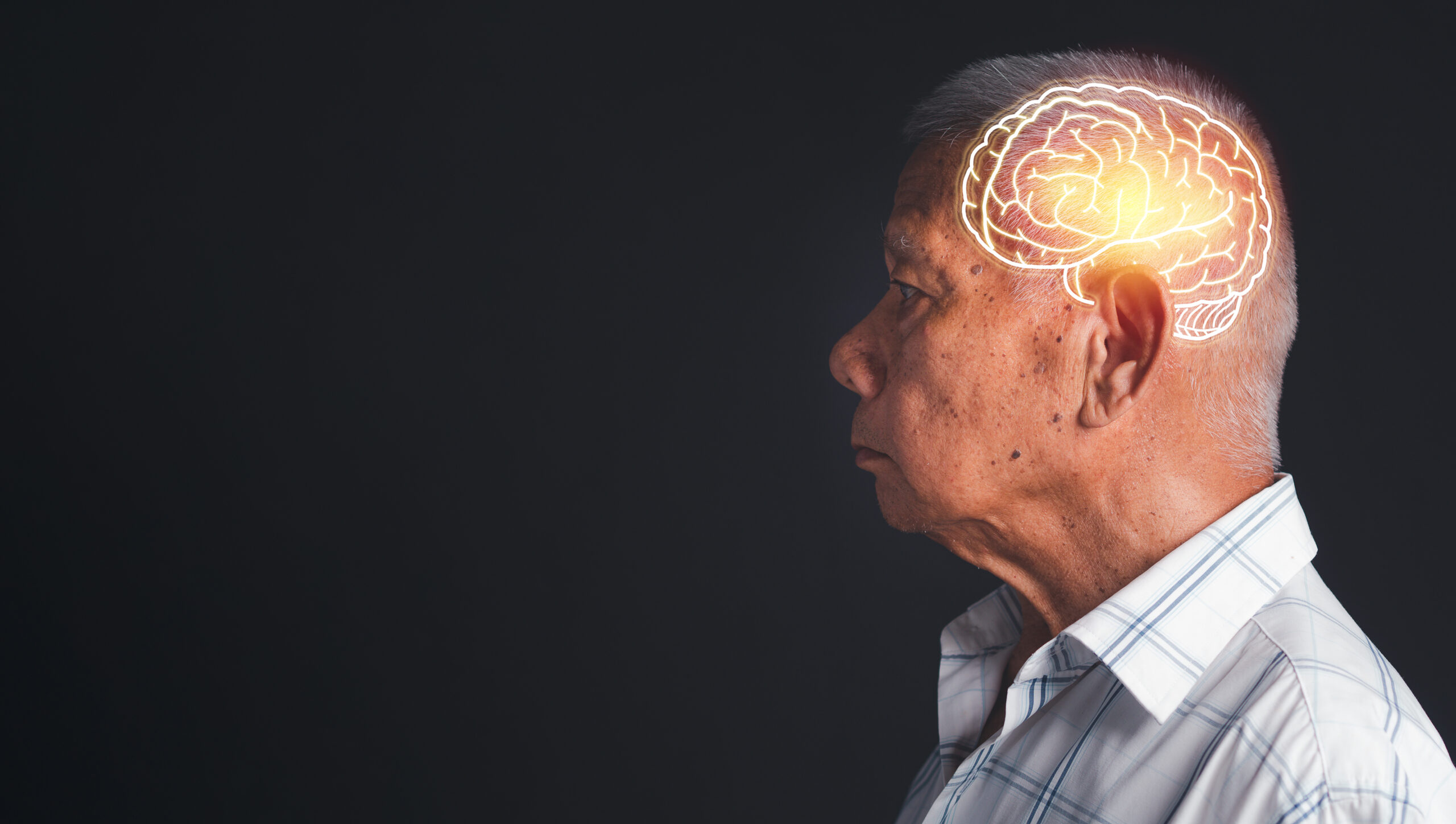
Parkinson’s disease (PD) is a progressive neurological condition caused by reduced dopamine in specific areas of the brain. It most commonly presents after the age of 60, but earlier onset can occur. While there is currently no cure, timely diagnosis and proactive management can markedly improve quality of life.
Common symptoms
-
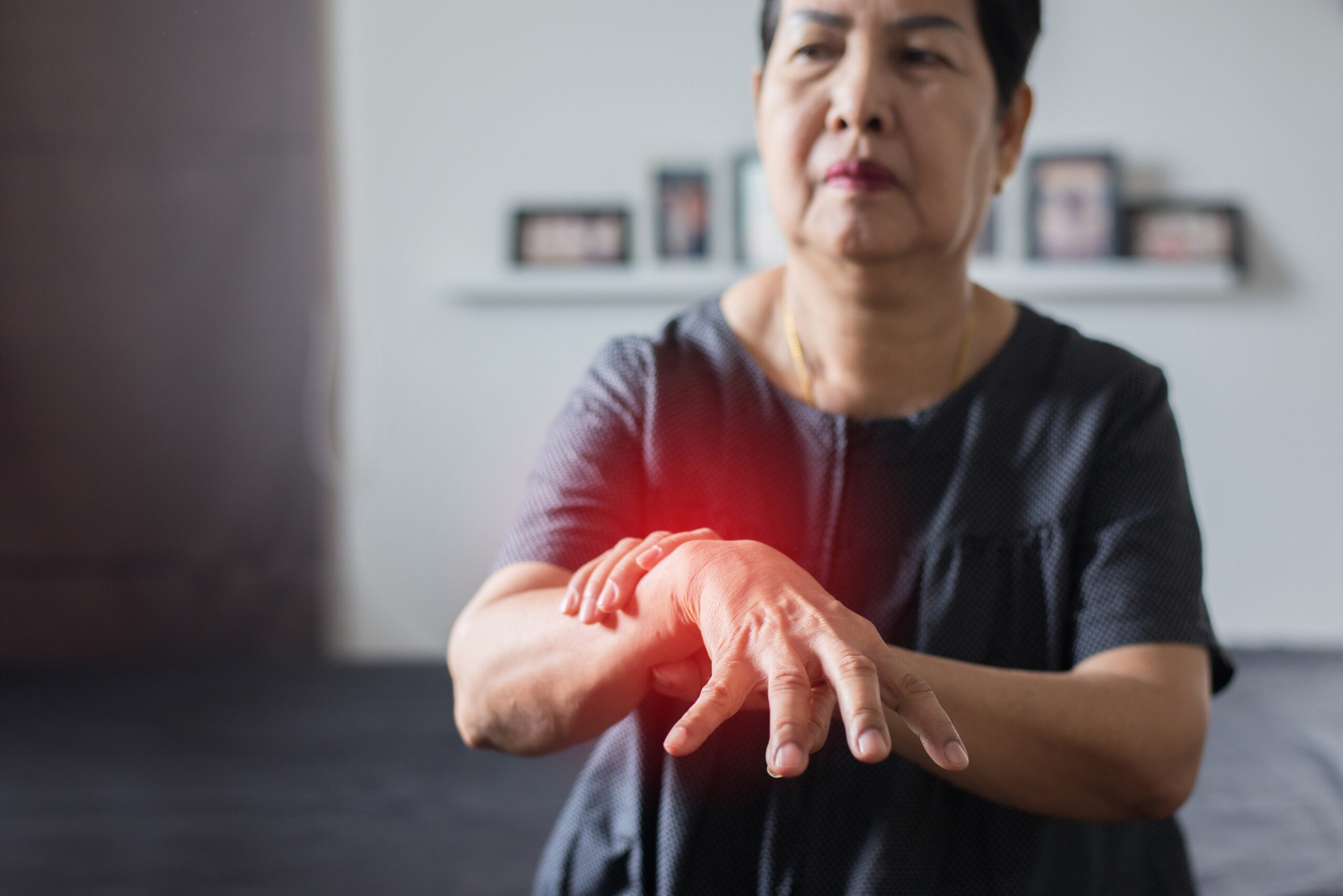
Motor: Resting tremor, slowness (bradykinesia), muscle rigidity, shuffling gait, reduced arm swing, freezing, problems with balance and falls.
-
Non-motor: Fatigue, constipation, sleep disturbance (REM sleep behaviour disorder, insomnia), anxiety/depression, reduced sense of smell, pain, urinary urgency, cognitive and speech changes.
Diagnosis: accurate, early, and clear
Personalised treatment plans
Your plan is tailored to your symptoms, lifestyle and goals, and may include:
-
Medication optimisation: Levodopa, dopamine agonists, MAO-B and COMT inhibitors, amantadine—balanced to minimise side-effects such as dyskinesia, sleepiness or nausea.
-
Advanced therapies (when appropriate): Assessment and referral for apomorphine infusion, deep brain stimulation (DBS) or intestinal levodopa gel.
-
Non-drug therapies: Specialist physiotherapy (balance, posture, cueing), occupational therapy (home/work adaptations), speech & language therapy (voice, swallowing), and dietetic support.
-
Non-motor symptom care: Strategies for sleep, mood, constipation, pain, blood pressure changes and cognitive health.
Living well with Parkinson’s
-
Exercise is medicine: Regular aerobic activity, strength work and flexibility training help mobility, mood and fatigue.
-
Falls prevention: Home safety review, balance programmes, appropriate walking aids and bone health optimisation.
-
Sleep support: Screening for REM sleep behaviour disorder, restless legs and sleep apnoea, with targeted therapies.
-
Self-management & monitoring: Practical tools to track ON/OFF periods, dyskinesia and symptom fluctuations between visits.
When to seek urgent help
Contact emergency services or urgent care if you have repeated falls, sudden severe confusion, chest infection with marked mobility decline, significant dehydration, or severe swallowing difficulties.
FAQ
Is Parkinson’s the same as essential tremor?
No. Essential tremor is typically an action/postural tremor; Parkinson’s tremor is classically at rest and accompanied by slowness and stiffness. Assessment clarifies the difference.
Will I need DBS?
Only a minority do. DBS is considered when medications no longer give stable control or cause troublesome side-effects. A thorough evaluation determines suitability.
Can lifestyle changes help?
Yes—regular exercise, good sleep habits, balanced nutrition and tailored therapy programmes significantly enhance day-to-day function.
BOOK YOUR CONSULTATION
Book a consultation with Dr Francesco Manfredonia (Dr FM) for clear diagnosis, compassionate care and a plan built around your life and goals.