
Neurophysiological Testing
Advanced techniques like EEG, EMG and nerve conduction studies precisely map electrical activity and conduction pathways, enabling accurate diagnosis and monitoring of complex neurological disorders.
What is neurophysiological testing?
These are objective tests that measure how your brain, nerves and muscles function. Results help confirm a diagnosis, gauge severity and guide treatment—turning symptoms into clear, actionable data.
Tests we perform
-
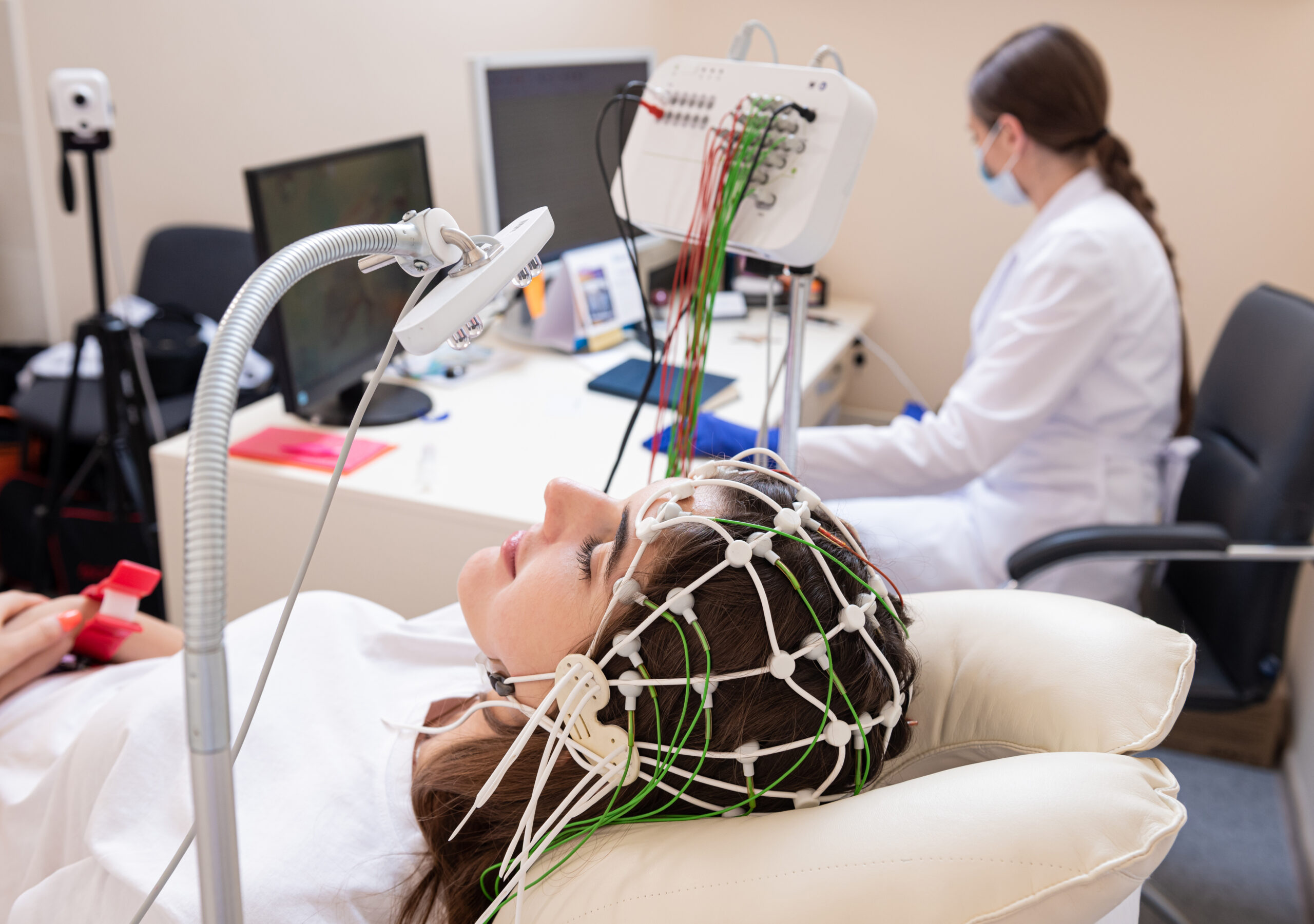
EEG (Electroencephalography): Records brain waves; useful for seizures/epilepsy, blackouts and encephalopathy.
-
Video-/Ambulatory EEG: Longer monitoring (in clinic or at home) to capture intermittent events.
-
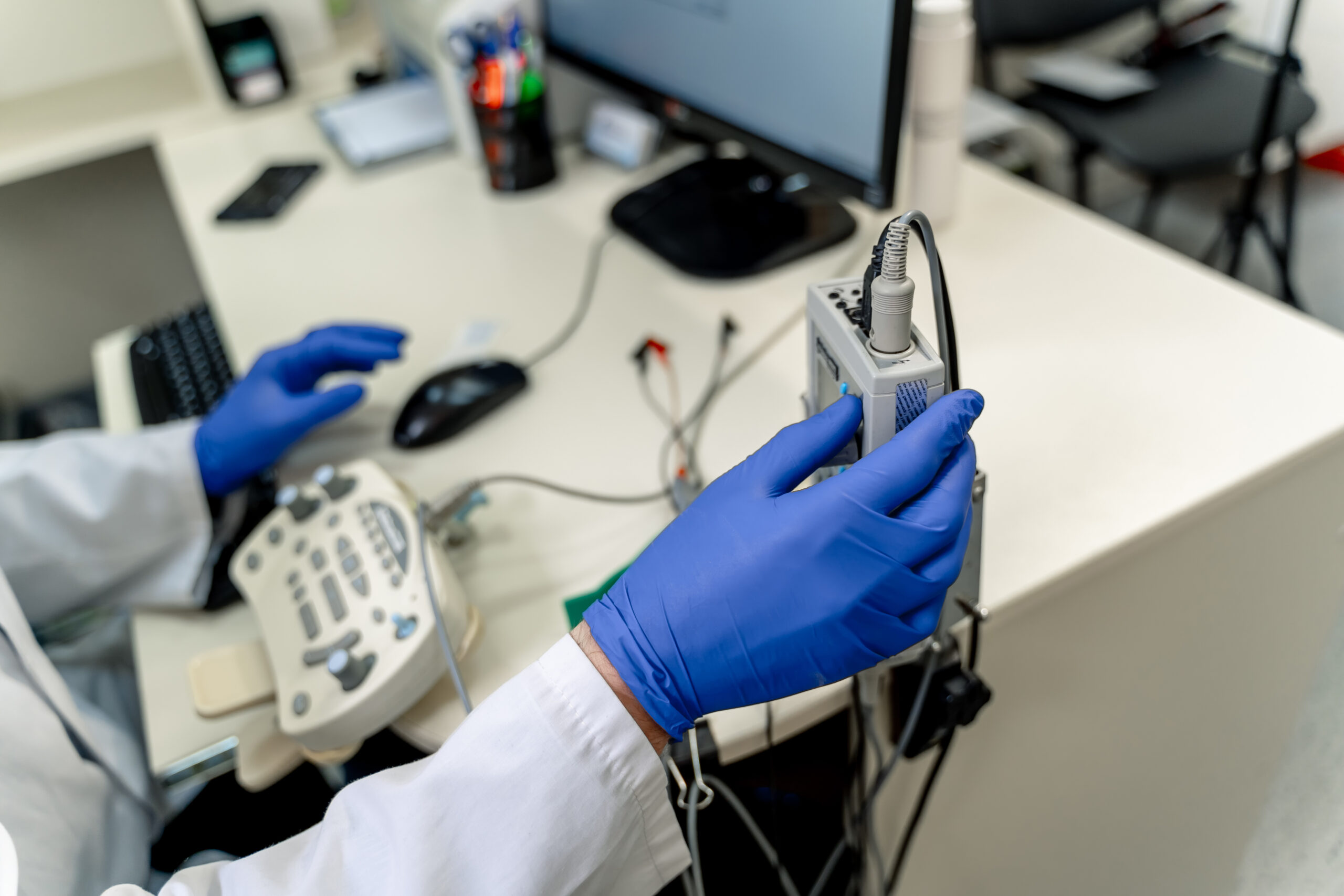
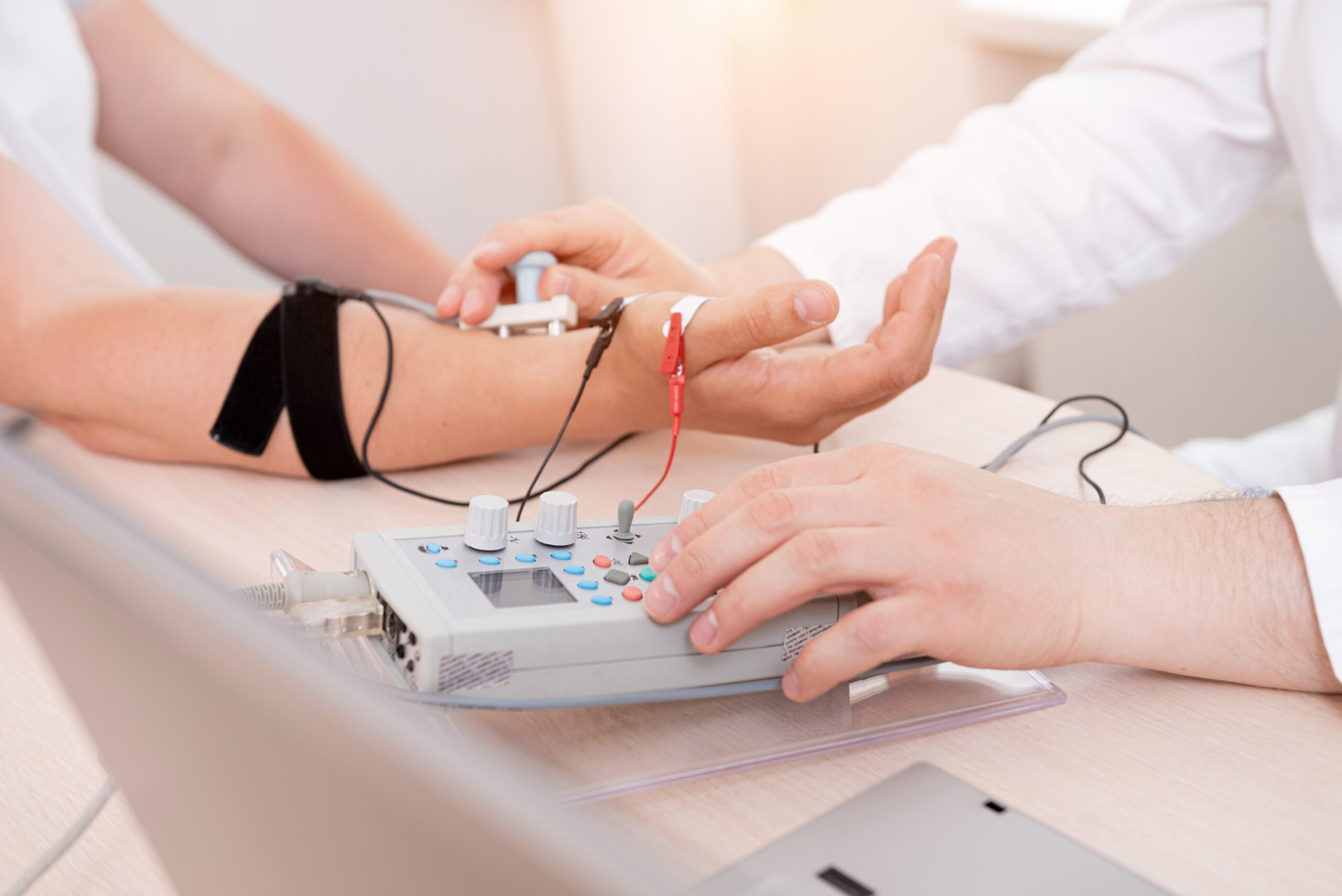
Nerve Conduction Studies (NCS): Small electrical pulses assess nerve speed/strength—key for neuropathy and entrapments (e.g., carpal tunnel).
-
EMG (Electromyography): A fine needle records muscle activity to distinguish myopathy, radiculopathy or motor neuron/junction problems.
-
Evoked Potentials (VEP, SSEP, BAEP): Check visual, sensory and auditory pathways; helpful in conditions like multiple sclerosis.
-
Autonomic Testing (where indicated): Evaluates blood pressure/heart rate responses and sweating for dizziness, fainting or small fibre neuropathy.
When are these tests recommended?
- Spells or blackouts, suspected epilepsy
- Numbness, burning pain, tingling or weakness in limbs
- Neck/back pain with arm/leg symptoms (possible radiculopathy)
- Visual or sensory changes needing central pathway assessment
- Proximal weakness and fatigue suggesting myopathy
- Dizziness on standing or sweating changes (autonomic symptoms)
How to prepare
-
EEG: Clean, dry hair; avoid heavy styling products. Bring a list of medications and recent sleep pattern.
-
NCS/EMG: Keep limbs warm; avoid moisturiser on the day; wear loose clothing. Please tell us about blood thinners—EMG is usually safe but minor bruising can occur.
-
Evoked/Autonomic: Bring glasses/hearing aids; eat and hydrate as normal unless told otherwise.
Do not stop any medication unless specifically instructed.
What to expect on the day
-
EEG (30–60 mins; longer for video/ambulatory): Sensors on the scalp with conductive paste; you may be asked to breathe deeply or look at flashing lights.
-
NCS (30–45 mins): Brief, low-level electrical pulses on the skin stimulate nerves; the sensation is quick and tolerable.
-
EMG (20–40 mins): A sterile, very fine needle samples selected muscles at rest and with gentle contraction. Discomfort is usually mild and short-lived.
-
Evoked/Autonomic (30–60 mins): Non-invasive sensors measure responses to light, sounds or skin stimuli and to positional changes.
Safety & comfort
-
EEG, NCS and evoked potentials are non-invasive and safe, including in pregnancy.
-
Pacemakers/implants: NCS/EMG are generally safe; please tell us so we can position equipment appropriately.
-
Anticoagulants: EMG can still be performed with care; small bruises may occur.
-
Skin sensitivity/allergies: Let us know about adhesives or latex sensitivities so we can use alternatives.
Results & next steps
Dr Francesco Manfredonia explains findings in plain English, integrates them with your history, examination and other tests, and agrees a clear treatment plan—from medication adjustments to physiotherapy or further specialist care. A concise report is shared with you and your referrer.
FAQ
What do EEG, NCS and EMG actually measure?
EEG records brain-wave activity; NCS measure how fast/strongly nerves conduct signals; EMG assesses muscle electrical activity to distinguish nerve, muscle or root problems.
Will the tests hurt?
EEG is painless; NCS feel like brief, low-level taps; EMG uses a very fine needle—discomfort is usually mild and short-lived.
How long do they take?
Most single tests take 20–60 minutes; longer if multiple studies are needed in the same visit.
Do I need to stop my medication or fast?
No—continue regular medicines and eat/drink normally unless you’ve been told otherwise.
I’m on blood thinners—can I have an EMG?
Yes, EMG is usually safe on anticoagulation; minor bruising can occur—please tell us your medication and dose.
Is it safe with a pacemaker or implanted device?
Yes; we’ll position equipment appropriately. Please bring your device card.
Any risks or side-effects?
Temporary skin redness from NCS and brief muscle soreness or small bruises after EMG are the most common and typically settle quickly.
Will I get results on the day?
Where possible you’ll receive a plain-English explanation before you leave; a formal report follows promptly to you and your referrer.
BOOK YOUR CONSULTATION
Book a consultation with Dr Francesco Manfredonia (Dr FM) for clear diagnosis, compassionate care and a plan built around your life and goals.