
Neuropathy
Chronic tingling, burning or weakness in the hands and feet reflects underlying nerve injury, often demanding targeted therapies to alleviate discomfort and restore sensation.
What is neuropathy?
Peripheral neuropathy describes damage to the nerves outside the brain and spinal cord. It can affect sensory (feeling), motor (strength) and autonomic (automatic functions like blood pressure, sweating and gut/bladder) nerves. Patterns vary—from classic “stocking–glove” numbness to focal nerve entrapments—and the right treatment depends on the exact cause.
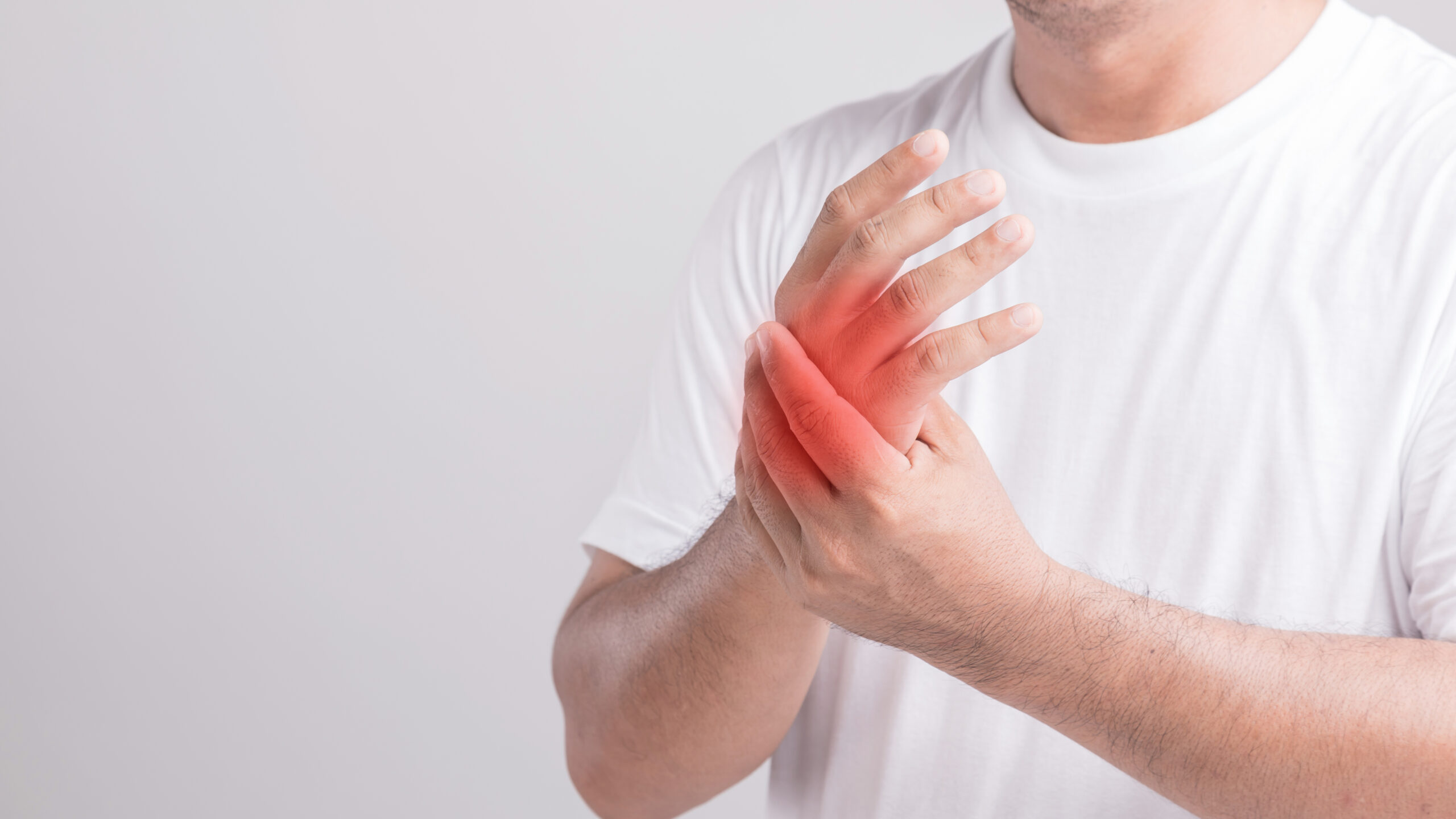

Common symptoms
-
Tingling, burning, electric-shock pains, or numbness
-
Weakness, cramps, foot drop or clumsiness
-
Balance problems, falls or altered gait
-
Autonomic symptoms: dizziness on standing, sweating changes, bowel/bladder or sexual dysfunction
-
Sensory hypersensitivity (allodynia) to light touch or temperature
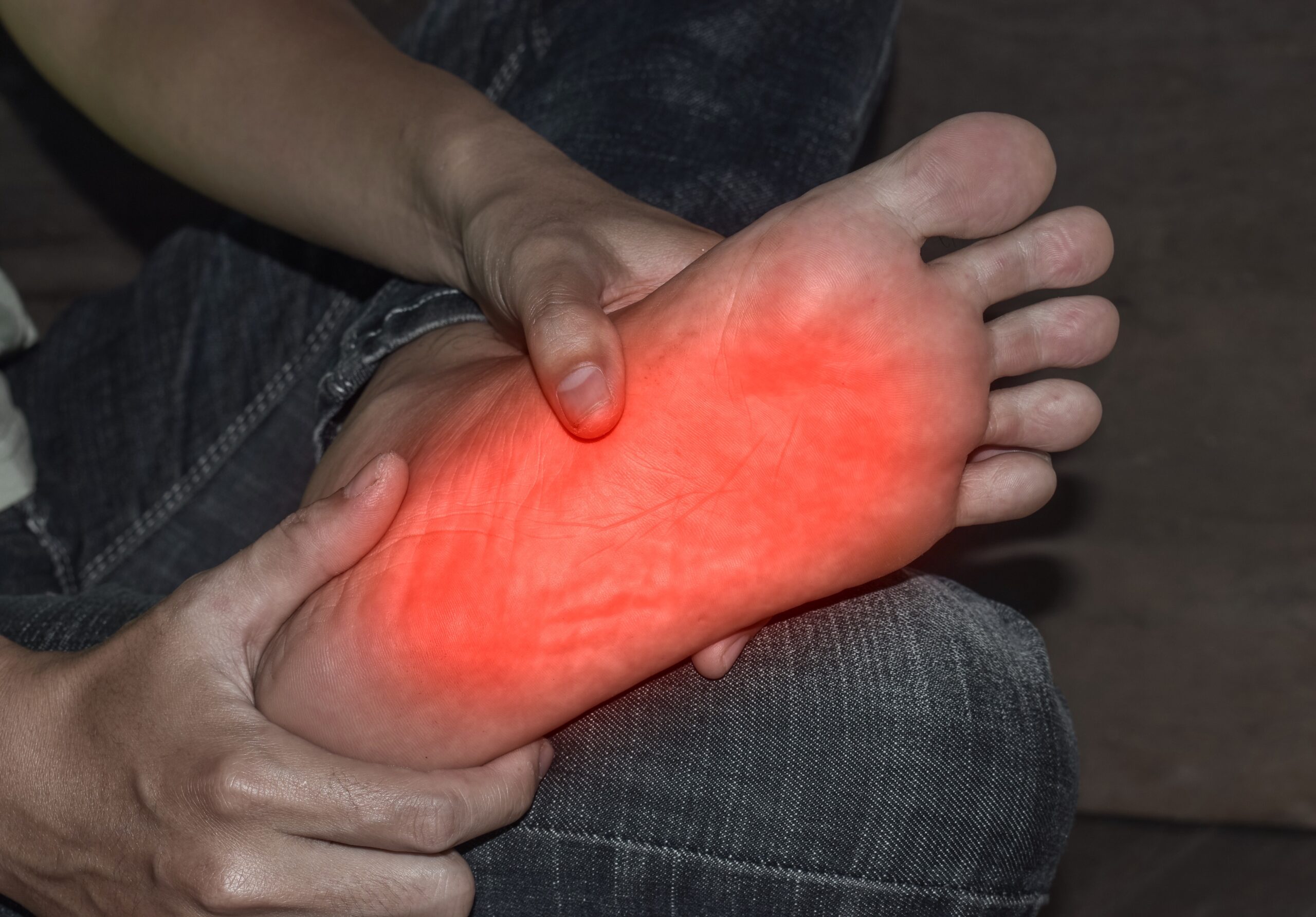
Why it happens (causes & types)
-
Metabolic/deficiency: Diabetes or pre-diabetes, B12 deficiency, thyroid or kidney disease, alcohol excess
-
Immune/inflammatory: CIDP, Guillain–Barré variants, vasculitic neuropathies, Sjögren’s
-
Toxic/medication-related: Chemotherapy agents and others
-
Hereditary: Charcot–Marie–Tooth and related conditions
-
Focal entrapments: Carpal tunnel, ulnar neuropathy, peroneal nerve entrapment
-
Small fibre neuropathy: Painful burning with often normal standard nerve tests
Sometimes no single cause is found first time; a structured plan still improves symptoms and safety.
Diagnosis with neurophysiology expertise
-
Detailed history and examination to map the pattern and tempo of symptoms
-
Nerve conduction studies (NCS) and EMG to assess large sensory and motor fibres, axonal vs demyelinating changes
-
Small fibre assessment (where appropriate): skin biopsy for intra-epidermal nerve fibre density, quantitative sensory testing and autonomic sudomotor tests
-
Autonomic testing for blood pressure/heart rate responses if dizziness or fainting is prominent
-
Targeted bloods (HbA1c/glucose tolerance, B12 & MMA, folate, thyroid, renal/liver profile, serum protein electrophoresis with immunofixation, autoimmune screens)
-
Imaging if another diagnosis (e.g., radiculopathy) is suspected
Personalised treatment plans
-
Treat the cause: Optimise glucose control, replace B12, adjust or stop offending drugs, manage thyroid/renal issues; immune-mediated neuropathies assessed for steroids, IVIg or plasma exchange as clinically indicated; splints/injections/surgery for entrapments.
-
Pain control (stepwise): Amitriptyline, duloxetine, gabapentin or pregabalin; topical options (lidocaine 5% plasters, capsaicin 8% patch); short-term escalation only when necessary with careful review.
-
Function & safety: Physiotherapy for strength and balance, occupational therapy, ankle–foot orthoses where helpful, falls-prevention strategies and diabetic foot care.
-
Autonomic symptoms: Hydration, compression garments, salt adjustment where safe, and medications such as fludrocortisone or midodrine if needed.
-
Adjuncts: TENS, desensitisation therapy, sleep and mood support, pacing and graded activity.
Living well with neuropathy
You’ll leave with a written plan covering activity goals, footwear/skin care, home safety, nutrition and alcohol guidance, plus clear markers for when to get back in touch. Nerves recover slowly—often around 1 mm/day—so regular review helps track progress and adjust therapy.
When to seek urgent help
Arrange urgent review (or attend emergency care) for rapidly worsening weakness, breathing or swallowing difficulties, severe new pain with fever, sudden loss of bladder/bowel control, or infected foot wounds/ulcers.
FAQ
Is neuropathy the same as a trapped nerve or sciatica?
Not always. Entrapments and radiculopathy affect specific roots or nerves; many neuropathies are more widespread. Testing clarifies this.
Can tests be normal if my feet burn?
Yes—small fibre neuropathy can have normal standard NCS/EMG; additional small-fibre/autonomic tests may be needed.
Will it go away?
Many causes improve when treated (e.g., B12 deficiency, entrapment). Others stabilise with good control (e.g., diabetes) and targeted pain and rehabilitation strategies.
BOOK YOUR CONSULTATION
Book a consultation with Dr Francesco Manfredonia (Dr FM) for clear diagnosis, compassionate care and a plan built around your life and goals.